The path to the front desk
From a search on a phone to a visit at the club.
- 01
The search
Someone nearby looks for “gym near me”, “nearest gym” or a ladies’ gym.
- 02
The ad
Shown in Search and Maps with the club’s location, hours and a call button.
- 03
The action
One tap to call, get directions or send a message. No website needed.
- 04
The visit
A tour at the front desk, where the membership is actually sold.
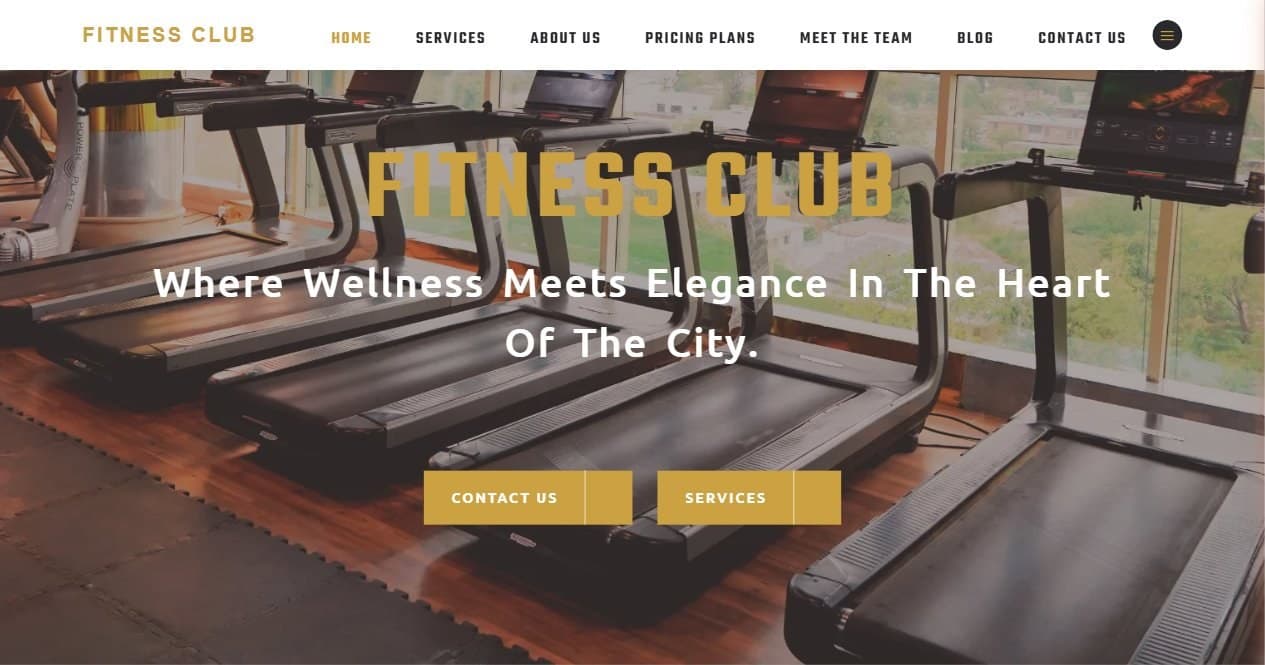
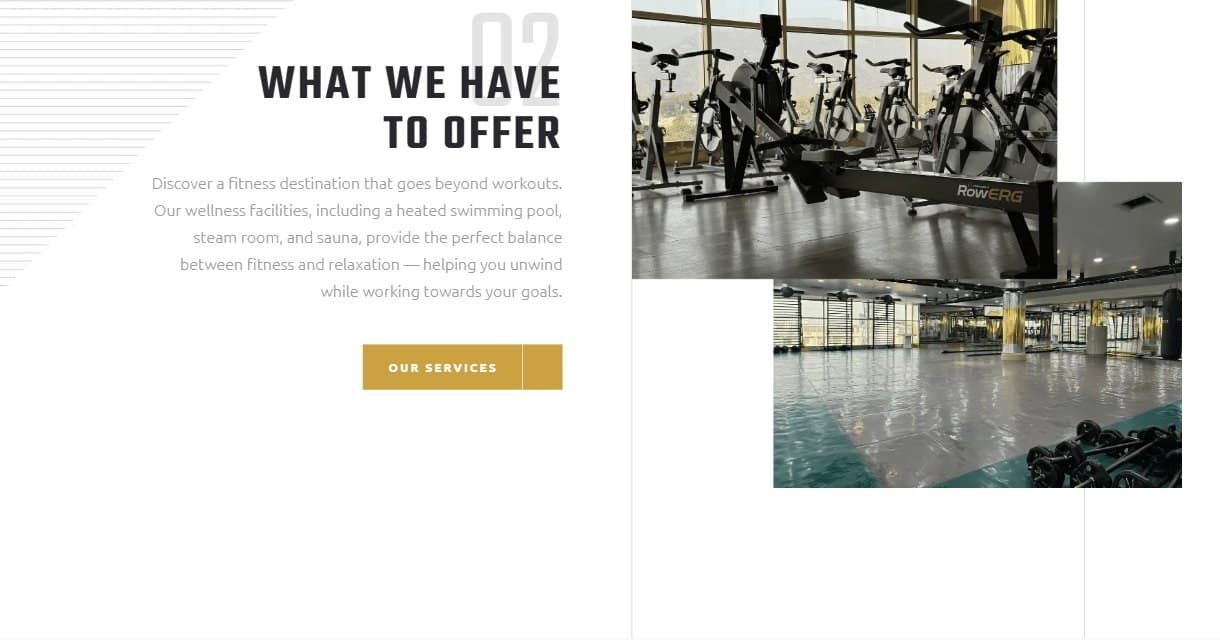
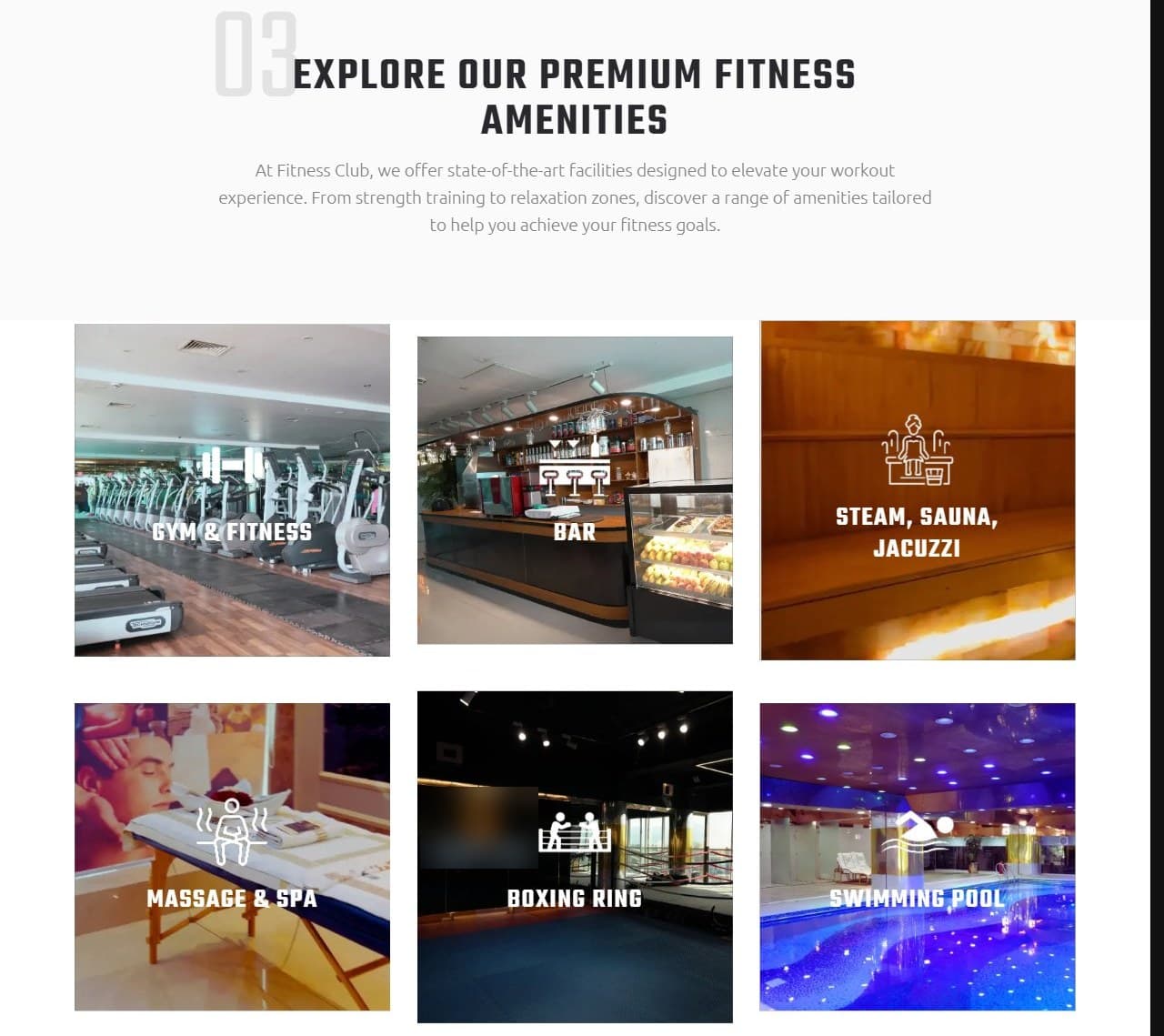
The club’s website
01
The challenge
Choosing a gym is a local, fast decision. Three things had to be right.
Winning the moment of choice
People pick from the closest options that look credible, often within minutes. If the club isn’t visible in that moment, it isn’t considered.
A phone, not a website
Almost every search happens on a phone, and people want to call or get directions, not read pages. The ad has to do the website’s job.
Sales happen offline
Memberships are sold at the front desk, not online. The ad account sees calls, directions and taps, so its numbers have to be read carefully.
02
What I did
Five decisions, each one about making the next step easy for someone nearby.
Built around “near me” searches
The campaign targets the searches people make when choosing, such as “gym near me”, “nearest gym” and “ladies gym”, as well as the club’s own name.
Let the ad do the website’s job
Location, opening hours, a call button and directions sit inside the ad, so a phone user can act in one tap.
Added Maps and local reach
A Performance Max campaign extends the club onto Google Maps and other Google surfaces, scheduled to staffed hours so calls arrive when someone can answer.
Counted the actions that lead to visits
Calls, directions and contact actions are the goals, kept apart from softer signals like page views, so bidding follows real interest.
Put budget where it works
Device and timing reports showed phones bringing action at a fraction of desktop’s cost, so spend follows the phone and the busiest days.
03
The outcome
A steady, always-on source of local enquiries.
- Consistent local demand month after month, from people already looking for a gym nearby.
- Strong visibility for “near me” searches, a category Google reports is still growing in the area.
- A phone-first setup where almost every click can become a call or a visit in one tap.
- Two campaigns working together: Search for intent, Performance Max for Maps and local reach.
- A clear next step: tying front-desk sign-ups back to the ads, so every enquiry can be traced to a membership.
One week in October 2025 vs one week in September 2026
Cost per conversion
−36%
Each call, directions request or contact click cost about a third less.
Clickthrough rate
2×
From 5.2% to 11.0% of people who saw the ad clicking through.
Conversions
+27%
More actions in the week, on a slightly lower weekly spend.
A conversion is an action Google Ads counted: a call, a directions request or a contact click. It is not a membership. Figures from Google’s weekly account summaries.
What the data told us
Phones do almost everything
Nearly every click came from a phone, so the ad itself had to carry the call, the map and the hours.
Desktop costs far more
An action from a computer cost several times more than one from a phone, so budget followed the phone.
People decide early in the week
Action rates were strongest from Monday to Wednesday, when people plan their routine.
“Near me” beats the brand name
The searches that brought the most action were about distance, not about the club’s name.
04
What I learned
Running ads for a business I work inside taught me to read platform numbers with care. Google counts calls and directions; the club counts memberships. Good local marketing lives in the gap between the two.
The best local ad doesn’t persuade. It removes every reason not to visit.
How this shapes my work today
For every local business I work with:
- Start with the searches people make nearby.
- Let the ad do the website’s job on a phone.
- Run ads in the hours someone can answer.
- Count the actions that lead to a sale, not the ones that look good.